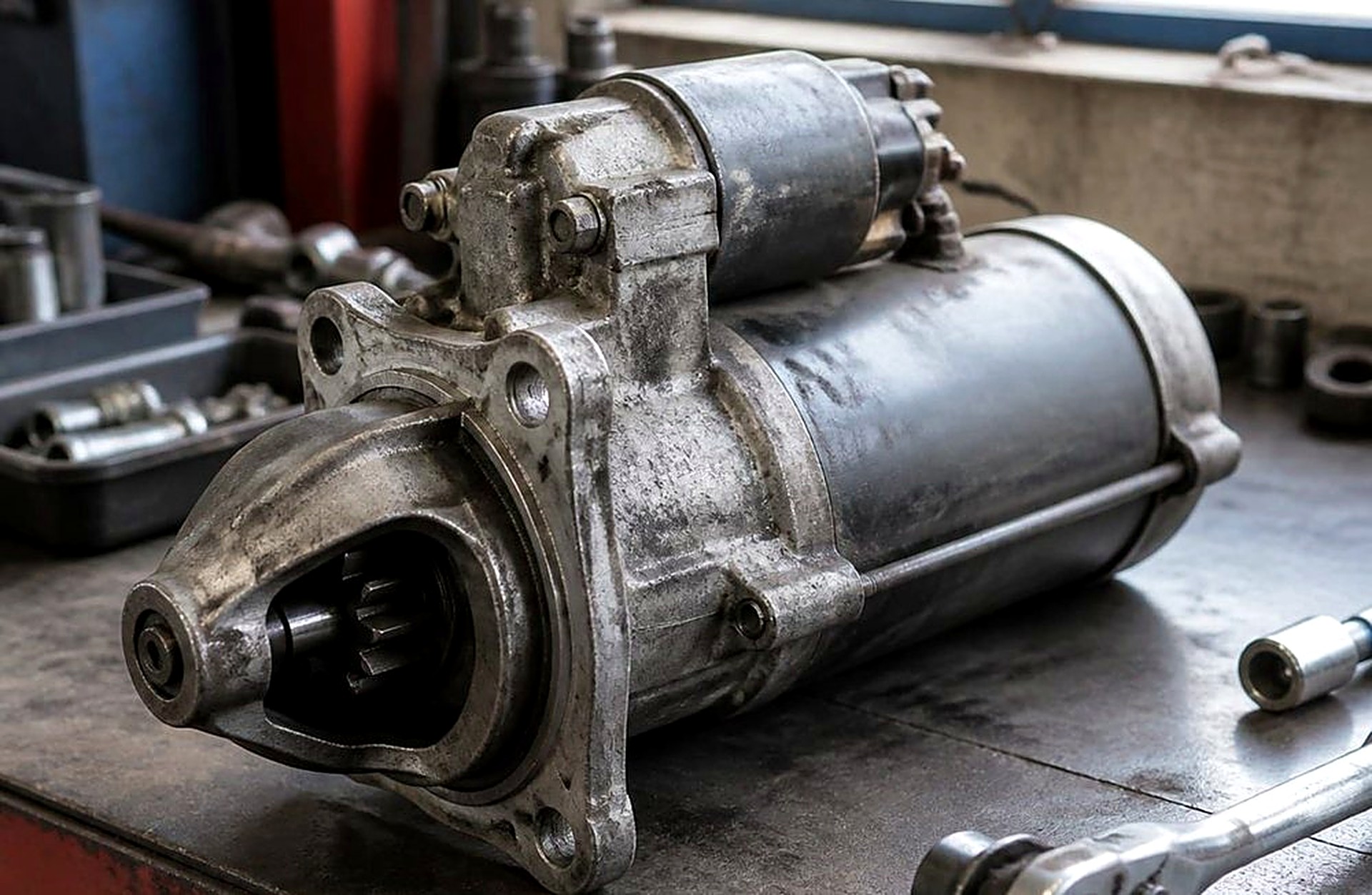
/Starter motor testing
Put a starter motor on the bench and test it properly: how it engages, what it draws, and what the results tell you about its condition — instead of swapping parts and hoping.
This is a free demo website for client approval · Powered by TubeForge.uk
You do the work yourself — strip, test, measure and diagnose real starter motors and alternators at the bench, with guidance while you go. You learn by doing it, not by watching slides.
4.8 rated on Google from 418 reviews · Aston, Birmingham
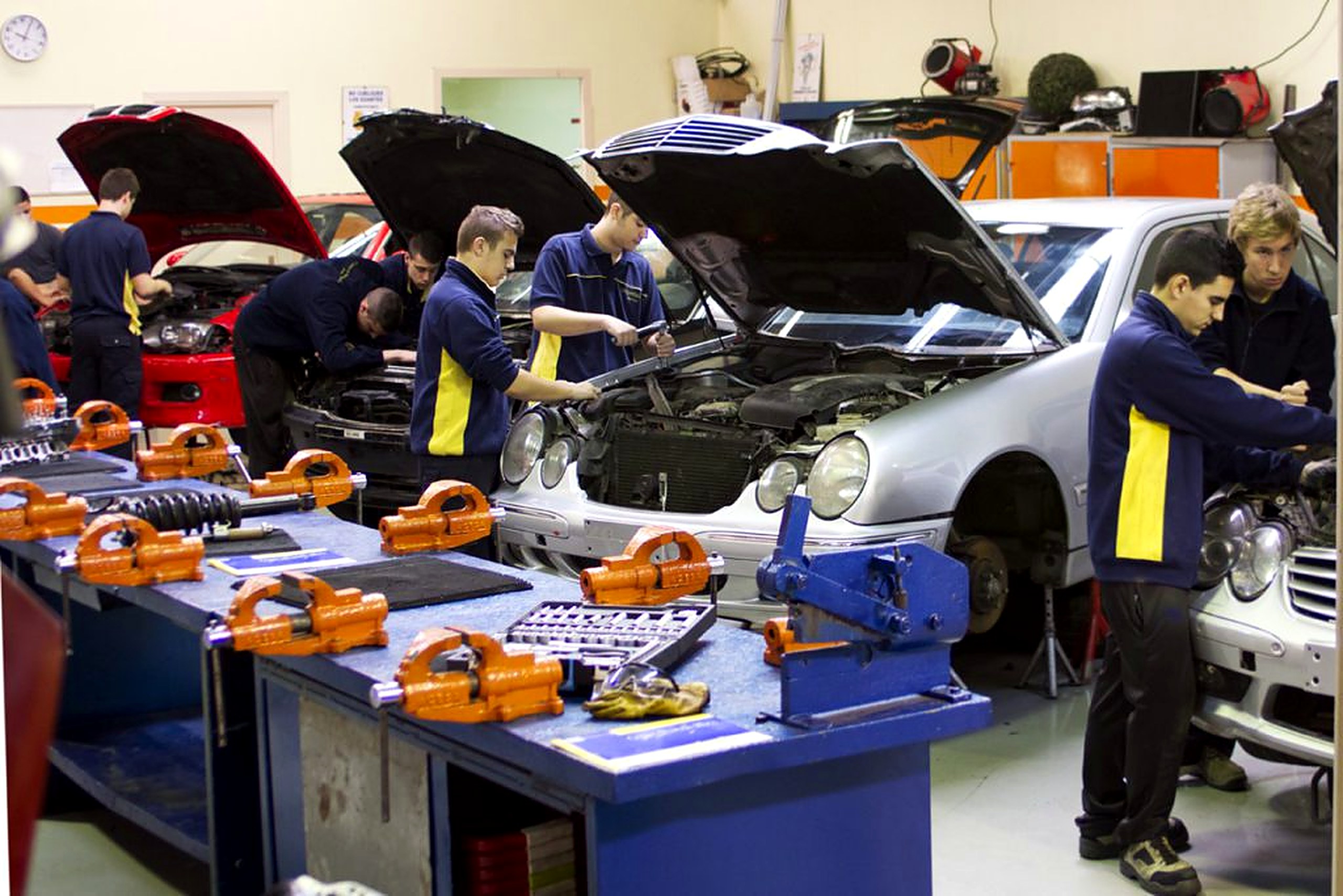
/Workshop activities
Training happens in a working workshop, at a real bench, with real starter motors and alternators in front of you — including faulty ones.
Put a starter motor on the bench and test it properly: how it engages, what it draws, and what the results tell you about its condition — instead of swapping parts and hoping.
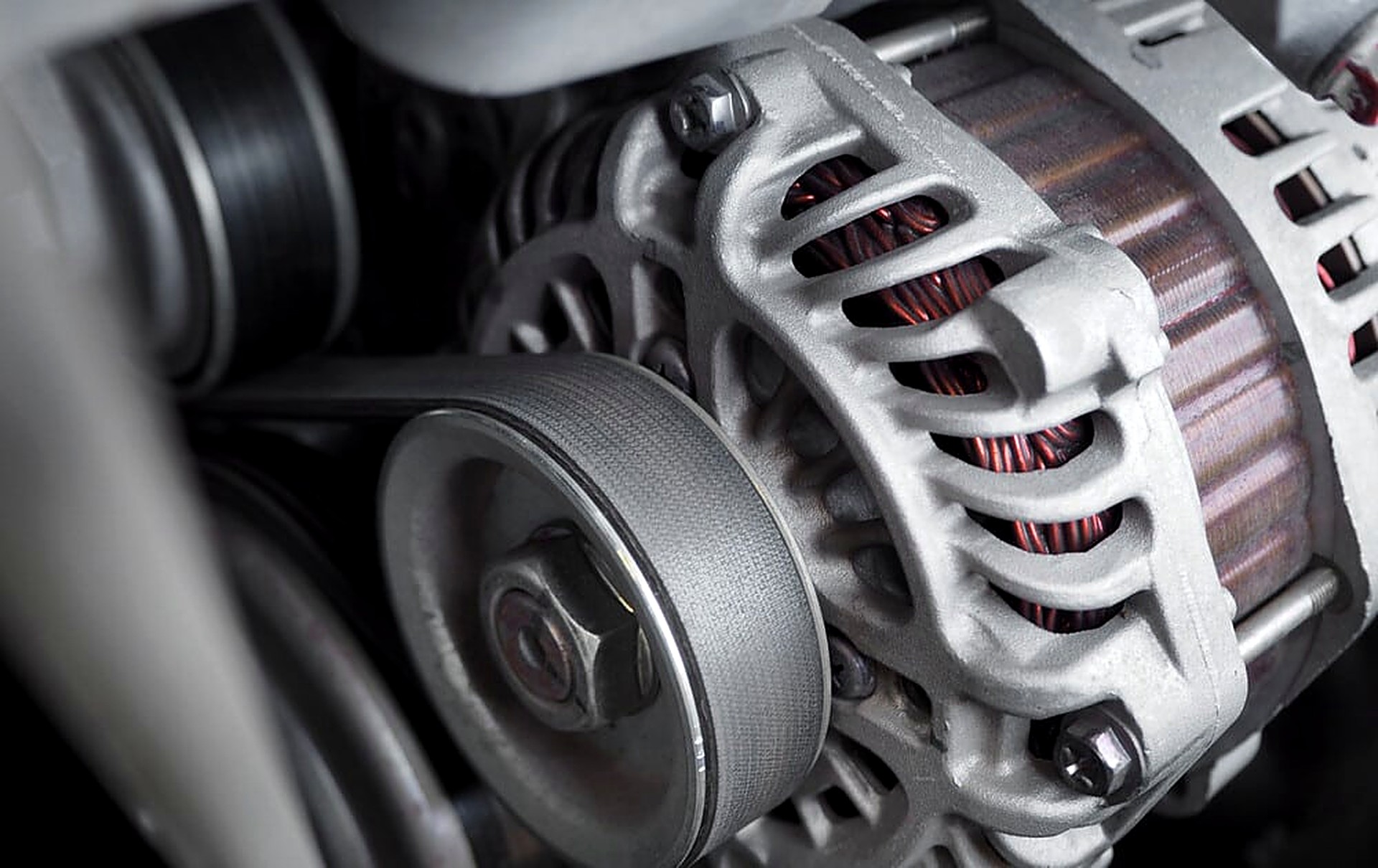
Check a charging system methodically and prove whether the alternator, the belt or the battery is really at fault — the same tests we use on repair work every day.
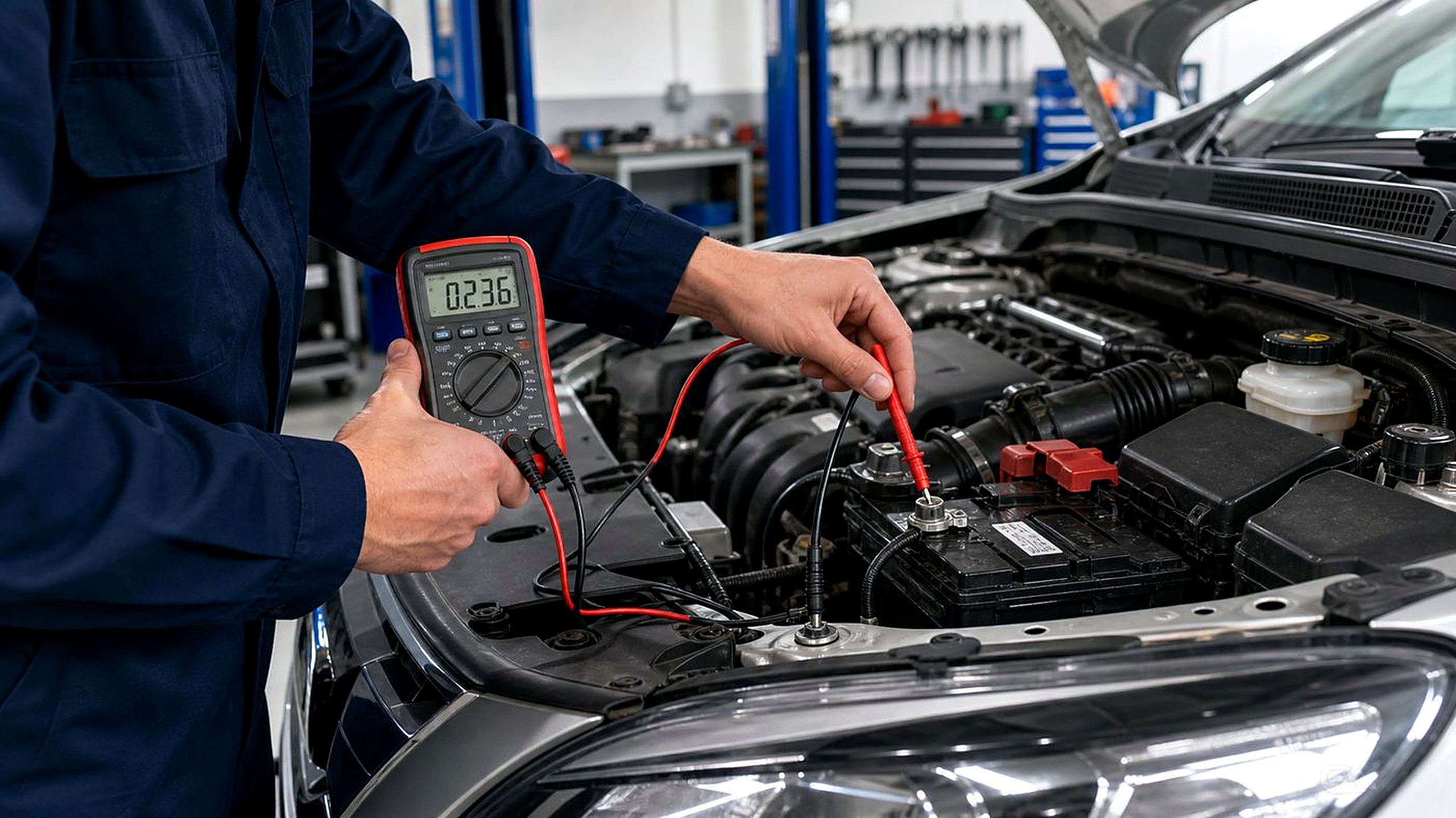
Test, measure, and follow the evidence with a multimeter. Practise working through a starting or charging circuit in order, so the fault is proven — not guessed at.
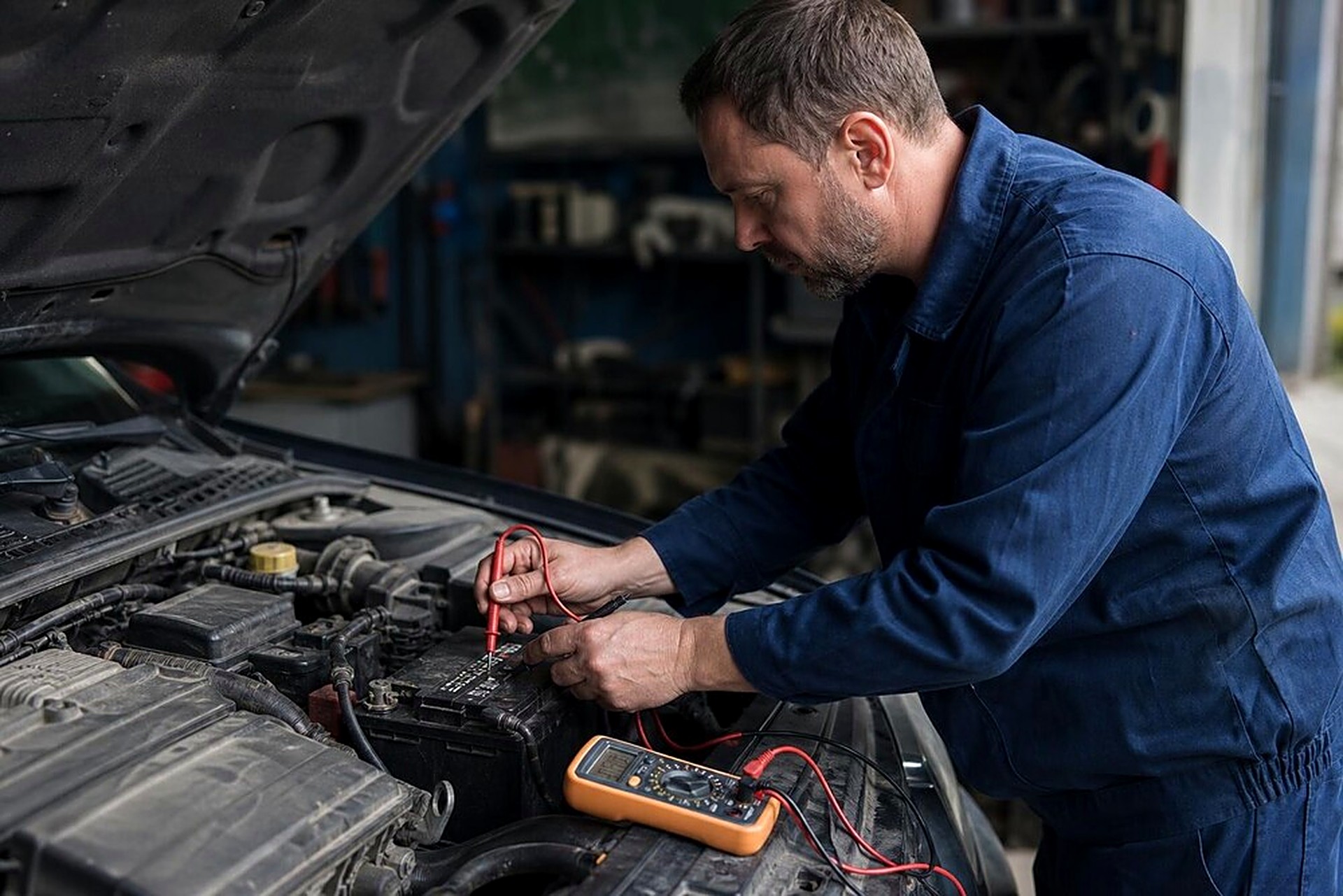
Test a battery honestly, spot a parasitic drain, and trace the wiring and connection faults — corroded connections, damaged wiring, poor earths — that cause so many starting problems.
/Step by step
1/
Training happens in a working workshop, at a real bench, with real starter motors and alternators in front of you — including faulty ones.
2/
You do the work yourself: strip, test, measure and diagnose, with guidance while you go. Small groups mean there is time to ask questions.
3/
Make sense of your test results and decide what’s causing the problem and the next steps — the habit that separates diagnosis from guesswork.
4/
By the end, you understand the system — not just the symptoms — whether you came to look after your own vehicle or to build a trade.
/Tools of the trade
The training uses the same practical equipment we use on repair work — nothing exotic, everything explained as you use it.
Starter motors and alternators are tested on the bench, away from the vehicle, so a unit is condemned or cleared on evidence, not opinion.
The core diagnostic tool. You will learn to test, measure and follow the evidence through a starting or charging circuit.
Real workbenches, a bench vice and the hand tools of the trade — the same setup our own repair work is done on.
Completely. You do the work yourself — strip, test, measure and diagnose real starter motors and alternators at the bench, with guidance while you go. You learn by doing it, not by watching slides.
Groups are kept small, so there is time to ask questions and get proper guidance while you work. For the size of the next group, call the workshop on 07722 588770.
No. Beginners are welcome. The training is hands-on from day one — you learn at a real workbench, on real starter motors and alternators, starting from the basics and building up.
At our working workshop in Aston, Birmingham — the same bench where we diagnose and repair vehicles every day.
Call the workshop to talk about training — whether it’s for your own vehicle or the start of a trade.